Eid al-Adha: When an Institution Outlives Its Soul
May 26, 2026
Reflections on the Muhammadan Project, Consumer Culture, and a Contemporary Crisis of Meaning
An Image That Disturbs
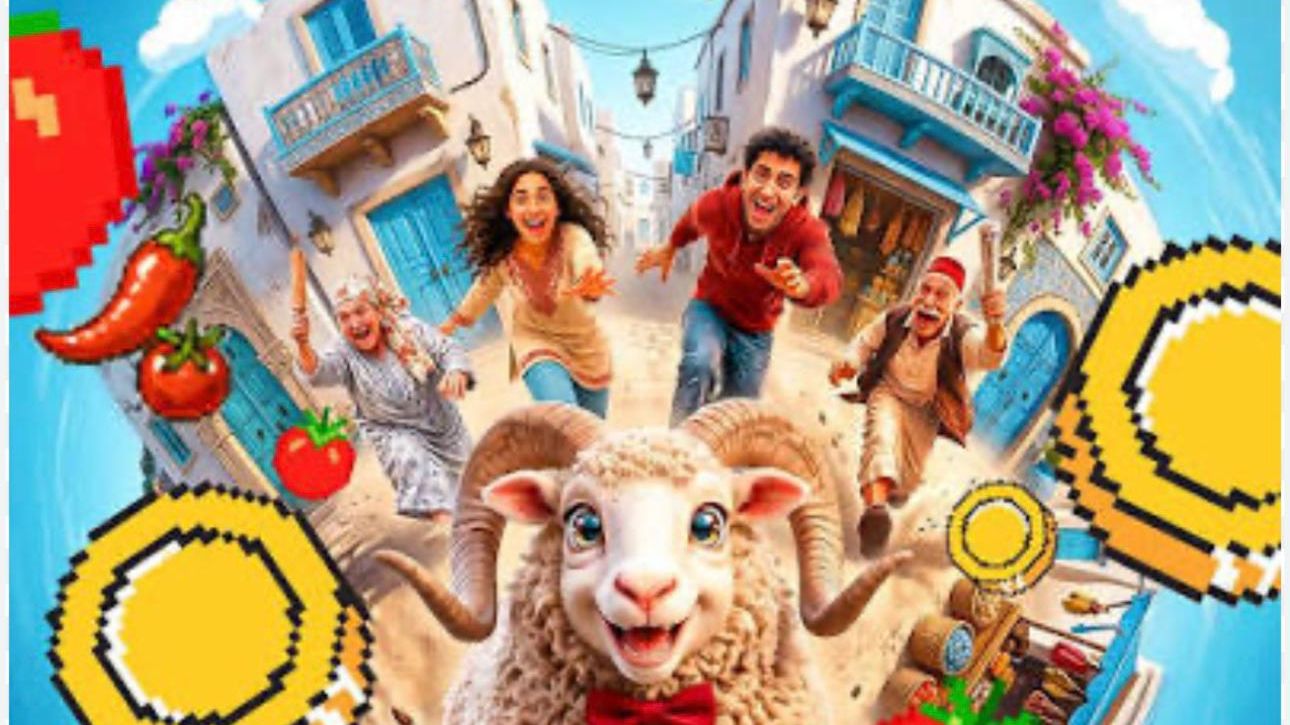
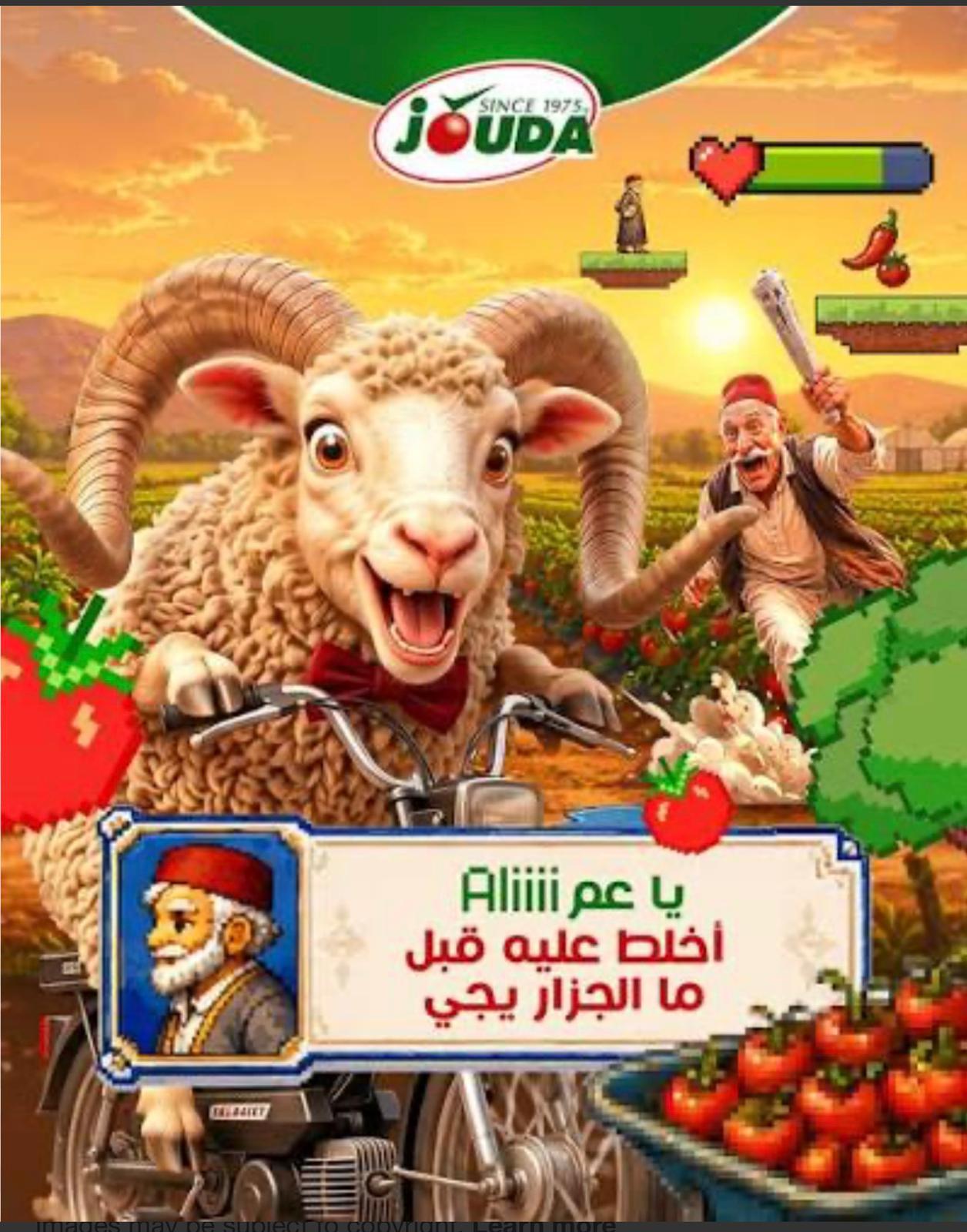
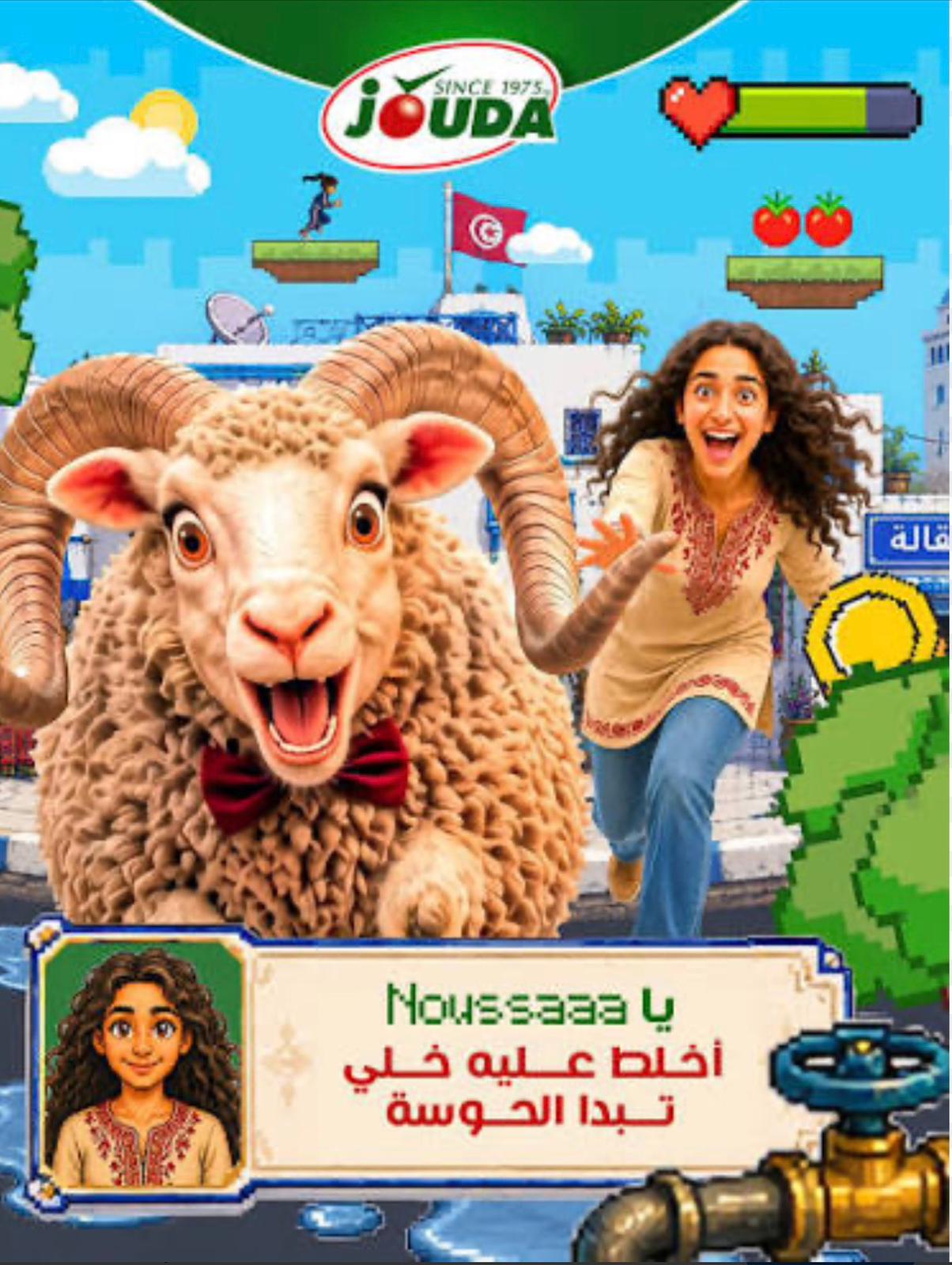
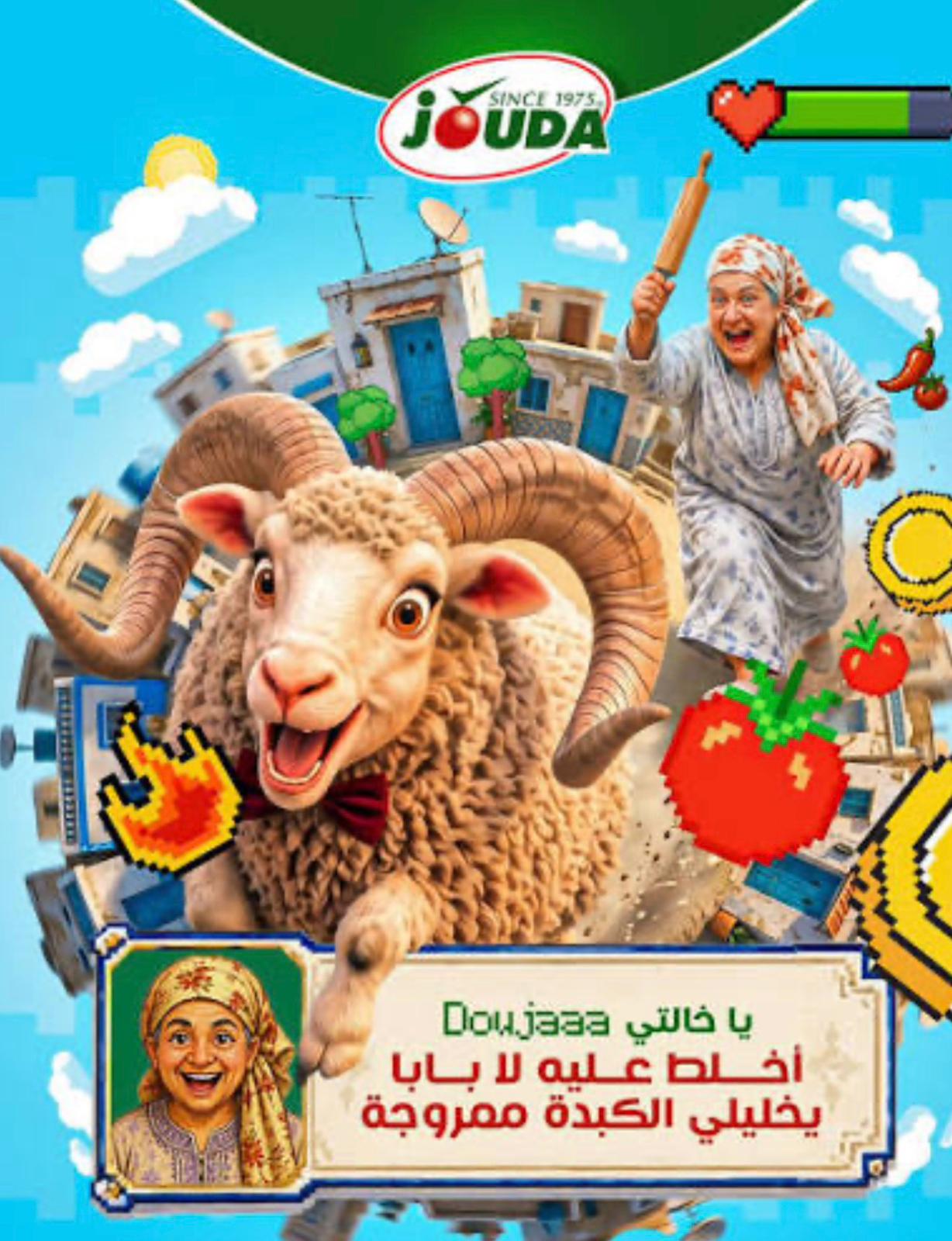
As Eid al-Adha approaches, we become flooded with digital greeting cards, videos, graphics, and images wishing everyone a happy celebration.
Sheep everywhere.
Sometimes a sheep crying because it fears becoming roasted meat. Sometimes a sheep being pushed toward its fate. Sometimes people running after sheep. Sometimes sheep dancing.
The creativity never seems to stop. Yet honestly, I find it absurd. And not beautiful.
Yesterday, while driving on the highway, I saw such billboards perhaps twenty times. And to be honest, something about them deeply disturbed me. A wave of emotions passed through me: anger, shame, indignation, pity.
But above all, one question:
Why?
How did we arrive here?
Where did the meaning go?
I remember that during certain inner contractions that preceded a period of awakening in my life, I would look around during Eid and find myself repeatedly asking:
“Where is God in all of this?”
Because the celebration as I experienced it around me did not carry the fragrance of the Divine.
It carried instead the smell of excess.
I remember that as a child, Eid was often a day of abundance pushed to excess. We would eat large quantities of meat. Refrigerators and freezers would be filled. Then for one or two weeks afterward, meat would continue appearing at every meal.
Yes, there was sharing. But less and less.
Today, these images surrounding Eid sometimes seem to tell a deeper story: the story of a symbol that has survived its own soul.
The Muhammadan Project: An Engineering of Social Transformation
We often look at religious institutions as though they were rules that simply descended from heaven and must be mechanically reproduced.
As if divine obligations were disconnected from reason, context, or purpose.
But when I look at the Muhammadan project, I see something very different.
I see a remarkable engineering of social transformation.
I see extraordinary creativity in the effort to build a society founded upon peace, harmony, and organic communion.
The Prophet’s project was never about forcing people to share. It was not about imposing redistribution through law alone. It sought something far more subtle and far more intelligent:
To create occasions
To create dynamics
To create institutions
To create human habits capable of generating greater sharing and solidarity
Zakat, Zakat al-Fitr, sharing during Ramadan, encouraging generosity throughout the year—these all participated in a single logic.
The project of Imân was not a project of belief.
Imân had nothing to do with producing mental or ideological adherence.
It aimed instead at establishing mutual trust, universal peace, and social harmonization.
Hajj as a School of Disappropriation
Hajj itself belonged to this same logic.
But perhaps we have forgotten what Hajj originally was.
Hajj was never intended as a touristic visit to stones, ruins, or historical sites.
Hajj was a school.
A school of disappropriation.
A school of detachment.
A school of return to the Source.
A place where human beings learned to loosen their attachment to privileges, identities, social positions, and possessions.
The *Prophet said:
“Al-Hajj is ʿajj and thajj.”
Hajj is human encounter and generous offering.
Pilgrims would bring what was called hady: animals offered to nourish the people of Mecca and especially its poor.
Part of this meat would then be dried into what was called Qadîd and preserved as food reserves.
I remember the narration in which a person stood intimidated before the Prophet.
He responded:
“I am only a simple man, son of a simple woman who lived from Qadîd.”
There is immense social intelligence behind this.
The Prophet was not merely creating rituals.
He was creating institutions capable of orienting a society.
Eid al-Adha was meant to extend this experience beyond pilgrimage itself.
Even those who did not travel to Hajj could still participate in its spirit.
Offering Before Sacrifice
I actually prefer the word offering to sacrifice.
Because within a philosophy of Ihsân, the Divine is not separate.
The Divine is sought through the other.
The search for the Divine is inseparable from serving others.
The heart of the project was never the animal itself.
The heart of the project was human relationship.
During the time of the Prophet—and still today in several rural parts of the world—the logic surrounding meat was radically different from our own.
Live animals could be sold. But meat itself was not sold.
It circulated only through sharing. It was highly valued, regarded as something noble.
When someone hunted, they shared.
When someone made an offering, they shared.
Families fed families.
Friends nourished friends.
The wealthy shared among themselves, while the poor often had to wait for weddings or major occasions to gain access to such food.
One of the profound insights of the Muhammadan project was precisely to bring the poor into this circle of sharing so they too would receive their portion of collective grace.
This was not simply about giving food.
It was about restoring people to a human, relational, and social circulation from which they had often been excluded.
From a Society of Sharing to a Society of Consumption
Today, however, we live in a world where almost everything eventually becomes absorbed into a logic of consumption.
Celebrations themselves increasingly become economic events. Their value often ends up measured through what they allow us to buy, possess, display, or consume.
Eid itself seems to have gradually entered into this same dynamic.
It has become another occasion for consumption.
But with an important distinction:
here we are not merely speaking about the consumption of objects or material goods.
We are speaking about the consumption of meat.
We are speaking about living beings being slaughtered on a massive scale in a single day.
The center of gravity appears to have shifted.
Sharing is no longer what seems to matter most.
Consumption does.
Privilege does.
The ability to do what everyone else is doing does.
Sometimes driven by a sense of superiority.
Sometimes driven by a sense of inferiority.
I still remember families I knew in Tunisia who truly ate meat only once a year.
Even the middle class, when I was a child, would often eat meat only once a week.
Even the wealthy did not necessarily eat it every day.
But something gradually changed.
I remember that as a child, Eid did not carry the fragrance of the Divine.
It carried the smell of excess. We ate enormous quantities of meat. Then refrigerators and freezers were filled. Then came days and weeks of continuing to consume meat daily.
Today, people with limited means still sometimes struggle, borrow money, or even go into debt in order to buy a sheep.
Not necessarily as an act of offering or sharing.
But often simply to avoid feeling inferior.
Children say:
“Others have a sheep. We want a sheep too.”
In some contexts, not having a sheep has almost become a social shame.
A practice that was originally intended to reduce social fractures can end up reinforcing them.
What was designed as an act of circulation risks becoming an act of possession.
What was intended as offering risks becoming display.
What was intended as relationship risks becoming performance.
When Forms Devour Their Own Soul
The problem is not ritual itself.
Nor is the problem those exceptions—families and communities that continue to live this practice with depth, generosity, and beauty.
Those realities exist.
But exceptions alone cannot answer the deeper question.
Throughout history, prophets, sages, and thoughtful men and women have continuously created methods, tools, and institutions intended to help societies move toward greater consciousness and greater life.
Yet gradually, another force appears.
The weight of death begins to overcome the force of life.
Collective ego eventually captures what was originally alive.
Ego does not seek transcendence.
It seeks comparison.
It seeks superiority.
It seeks to feel greater than others.
To do better than others.
To appear more privileged than others.
And once that happens, institutions slowly become more important than the principles they were created to serve.
Perhaps what I find most troubling today is the lack of awareness—and more importantly, the lack of effort toward awakening awareness—among many religious and spiritual authorities.
Too often, there is an attachment to preserving the status quo.
Too often, there is fear of disturbing people.
So mediocrity slowly becomes normalized.
A few safe and superficial words become preferable to courage.
Yet sometimes courage means being willing to look directly at a crisis and call it by its name. Because perhaps there truly is a crisis here.
A crisis of meaning.
Human Beings Are Not Powerless
This is why returning to the why becomes essential.
Why was there Hajj?
Why was there this celebration of offering?
Why were these institutions created in the first place?
There is no such thing as a divine prescription devoid of wisdom or purpose.
These practices carried social wisdom.
Spiritual wisdom.
Human wisdom.
And if a tool can no longer produce what it was originally designed to produce, then we must have the courage to imagine other tools.
Human beings are not powerless.
We are not lacking in creativity.
We are capable of imagining alternatives.
If the goal was sharing, other forms of sharing can be created.
If the goal was gratitude, other forms of gratitude can emerge.
If the goal was to establish mutual trust, universal peace, and social harmonization, then other institutions capable of carrying that spirit can also be imagined.
There is nothing wrong with acknowledging that an institution may become weakened, altered, or emptied of its original meaning.
The Qur’an itself presents examples of historical transitions in which forms give way when they become more important than the realities they were meant to serve.
The problem was never the existence of institutions.
The problem begins when we start serving forms rather than serving the life that gave birth to them.
The goal was never to worship fixed forms.
The goal was always to serve the soul of a living project.
⸻
If you wish to develop a more personal and deeper relationship with the prophetic spirit and express gratitude toward him, it is recommended to take a deep breath and feel his presence whenever his name is mentioned. You may recite a short prayer; many forms exist. What matters is not the words themselves but consciousness and presence. From time to time, at the first or final mention, I recommend quietly reciting inwardly or softly: “May his soul be eternally blessed, may his spirit continue to be nourished, and may I remain connected to him.”
Restez connectés à nos publications !
Rejoignez-nous
Categories
Rejoignez la communauté de l’Institut Alchemya et recevez gratuitement des enseignements, méditations et inspirations soufies pour éveiller votre coeur et éclairer votre chemin. Inscrivez-vous ici pour ne rien manquer.